
The Science of Energy Sequencing: Matching Productivity to Your Chronotype

For decades, the corporate world has been dominated by the cult of the early riser. From 'The 5 AM Club' to rigid 9–5 desk hours, we have treated time as a uniform, flat resource.
What is Energy Sequencing?
Energy sequencing is a productivity methodology that prioritizes biological rhythms over the chronological clock.
Unlike traditional time management, which treats every hour as having equal value, energy sequencing involves mapping specific tasks to your fluctuating levels of cortisol, glucose, and mental alertness. By aligning high-cognition “Deep Work” with your Biological Prime Time (BPT) and reserving administrative “Shallow Work” for periods of low energy, you reduce cognitive friction and prevent the onset of burnout.
The Myth of the Uniform Hour
Michael is a senior analyst who has forced himself into the 'ideal' executive routine. He is at his desk by 8:30 am, tackling his most complex financial modelling work. By 11:00, he usually hits a wall. His brain starts to feel foggy, and he spends the rest of the afternoon answering low-priority emails, plagued by a sense of guilt about his waning focus.
Fiona, a creative director, abandoned the morning hustle three years ago. She now spends her mornings on 'low-power' admin tasks, such as scheduling and quick replies, while her brain is still warming up. She begins her deep work at 4:00 pm. While Michael is dragging himself towards the exit, Fiona enters a flow state that carries her through to 8 pm.
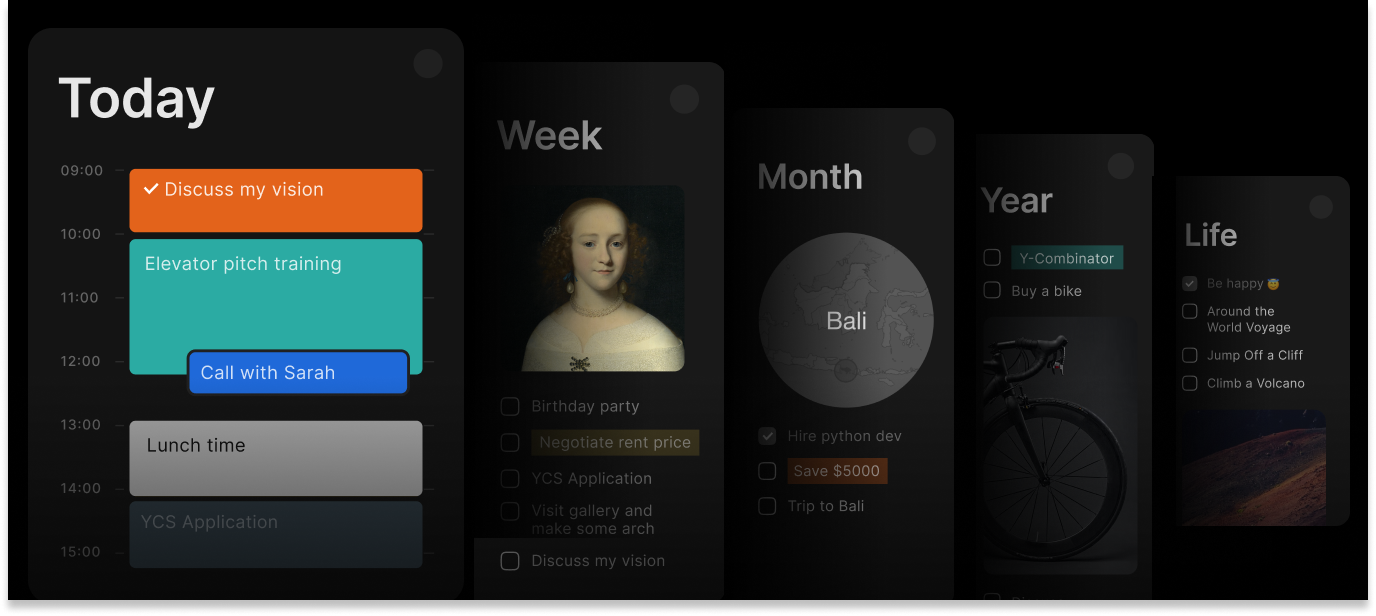
Timestripe is a smart, well-designed workspace for all your projects, tasks and notes.
Try it today
Get StartedChronotypes: Our Biological Hardware
Traditional time management fails because it assumes that an hour of work at 9:00 am is equal to an hour of work at 9:00 pm. Biology suggests otherwise, and we all know it. In order to master energy sequencing, you must first identify your chronotype.
The Science of the “Biological Prime Time”
We now know that Michael is a Lion and Fiona is a Wolf. When Michael forces himself to do “busy work” in the morning, he wastes his Biological Prime Time (BPT): the window where glucose metabolism and prefrontal cortex connectivity are at their highest.
When they stopped managing minutes and started sequencing tasks according to their energy requirements, their output shifted:
- High-Cognitive Tasks (Deep Work): Reserved for the highly alert BPT.
- Low-Cognitive Tasks (Shallow Work): Reserved for the “troughs"—those post-lunch slumps where blood sugar dips.
- Maintenance Tasks: These are scheduled for the 'recovery' phase, when the brain is too tired for logic, but still capable of routine tasks.
Great People and their Patterns: Chronotypes in Practice
The concept of energy sequencing is not a modern invention. Many notable figures have employed their understanding of biological patterns to manage their time more effectively. It’s more common to think that writers or politicians have more power to adapt their schedules to their needs. However, many of us can also adapt our schedules to some extent. Let’s take a closer look at the routines of the greats.
Stephen King
The architect of modern horror, is a classic “Lion.” He begins his writing ritual around 8:00 AM, aiming to finish his daily quota of 2,000 words before the clock strikes noon.
“The morning is for work… I have my morning routine, I’m at my desk by 8:00… I write until my 2,000 words are done. The afternoon is for a nap and letters. The evening is for reading, family, and any revisions that can’t wait.”
Barack Obama
In stark contrast, Barack Obama operated as a dedicated “Wolf” during his presidency. While the West Wing slowed down, Obama’s cognitive peak arrived after 10:00 PM. He would spend these late-night hours in the Treaty Room, as mentioned in "The New York Times", reading intelligence briefs and drafting speeches when his brain reached its maximum “flow state.” For Obama, the silence of the night provided the mental clarity that the chaos of a 9:00 AM meeting could never offer.
Arianna Huffington
For the founder of The Huffington Post, the transition to energy sequencing was born of necessity rather than curiosity. In 2007, she collapsed from exhaustion, waking up in a pool of blood with a broken cheekbone—a wake-up call that led her to reject the “hustle culture” she helped build.
In her book The Sleep Revolution, Huffington argues that productivity is not a function of hours logged, but a direct byproduct of sleep and recovery cycles. She restructured her executive life around her biological limits, famously refusing to make high-stakes decisions during her “energy troughs.” By treating recovery as a non-negotiable performance metric, she shifted from a model of burnout to one of sustainable influence, proving that the most effective leaders are those who respect their biological hardware.
The Results of Biological Alignment to Your Rythms
When we align tasks with our natural focus, work begins to feel less like a series of forced sprints and more like a sustainable flow. The result is higher-quality work achieved with significantly less cognitive strain. By the end of the day, both Fiona and Michael found that they had more energy left for their personal lives, proving that you don’t need to squeeze more into your day to become efficient. Leave more of yourself intact.
At Timestripe, we don’t believe that the purpose of productivity is to work harder or 'hustle' for longer. We advocate for productivity with a human face, where tools adapt to the individual. Respect your biology so you can do your best work without compromising your well-being.
Read next

Ready to take control of your schedule?
Start your trial of Timestripe today. Your future, more focused and less stressed self, will thank you for committing to intentional time allocation.
Get Started