
Digital Diet for Focus: How to Reset Your Brain & Productivity in The End of The Year
As December unfolds its festive chaos, and the end of the year approaches, many of us find ourselves caught in a whirlwind of presents, meetings, and projects. With holiday preparations, work deadlines, and the constant hum of our digital lives, true quiet can seem like a distant memory. But is it possible to reduce digital noise even partly?
Let’s start with a clear definition of a digital detox: it’s a period of time during which a person refrains from using electronic devices such as smartphones or computers. It is often regarded as an opportunity to reduce stress and focus on social interaction in the physical world. However, for many, the idea conjures images of abandoning all technology, which can feel impossible in our interconnected world.
The Hidden Cost: Why We Can’t Focus
Before we talk about cutting back, we need to understand why the digital world is so sticky. It all comes down to a tiny, powerful chemical in your brain: dopamine.
The core of the problem is dopamine regulation. Notifications, social media likes, and endless scrolling are all expertly designed to trigger small, unpredictable surges of this “anticipation and reward” neurotransmitter. At some point, the brain starts craving these chemicals, and it’s no longer about happiness and relaxation. Your phone trains your brain to prefer these quick, easy hits to the slow-burning rewards of deep work or real-world engagement.
This is why December is a tough month for many. The pressure to be 'on' intensifies, yet your ability to focus on important tasks such as year-end reviews is constantly undermined by the allure of quick digital distractions. The idea is simple: there’s no need to isolate yourself completely; you can try to be intentional with tasks you have.
From Extreme Detox to a Sustainable Digital Diet
The idea of a full 'detox'—a chicken-breast, mountain retreat approach—feels too extreme and often fails. Instead, let’s embrace the Digital Diet: a sustainable, long-term approach to mindful consumption.
A diet means you choose what you consume, and you only ingest the things that serve a healthy purpose. Replace Hedonic digital use (instant, low-value gratification) with Eudaimonic digital use (purposeful action that leads to personal growth).
The Digital Diet: Looking Through Saved Ones
One powerful aspect of this diet is to look through saved items. How many articles, videos, or posts have you 'saved for later' with the best intentions? This end-of-year period offers a perfect opportunity to actually engage with that curated content.
However, let’s not shame each other on that—probably most of the saved posts on X (Twitter), Reels on Instagram, will probably never be viewed again, and that’s OK — we have lives. The point isn’t to clear your entire 'Read Later' list; it’s to consciously choose what truly serves you now and what can become a spark of motivation you once wanted to review.
Digital Supplements: Making Tech an Ally
What can be a digital supplement? These are the tools that help you actively build, grow, and reflect—they are the vitamins and protein shakes of your digital diet.
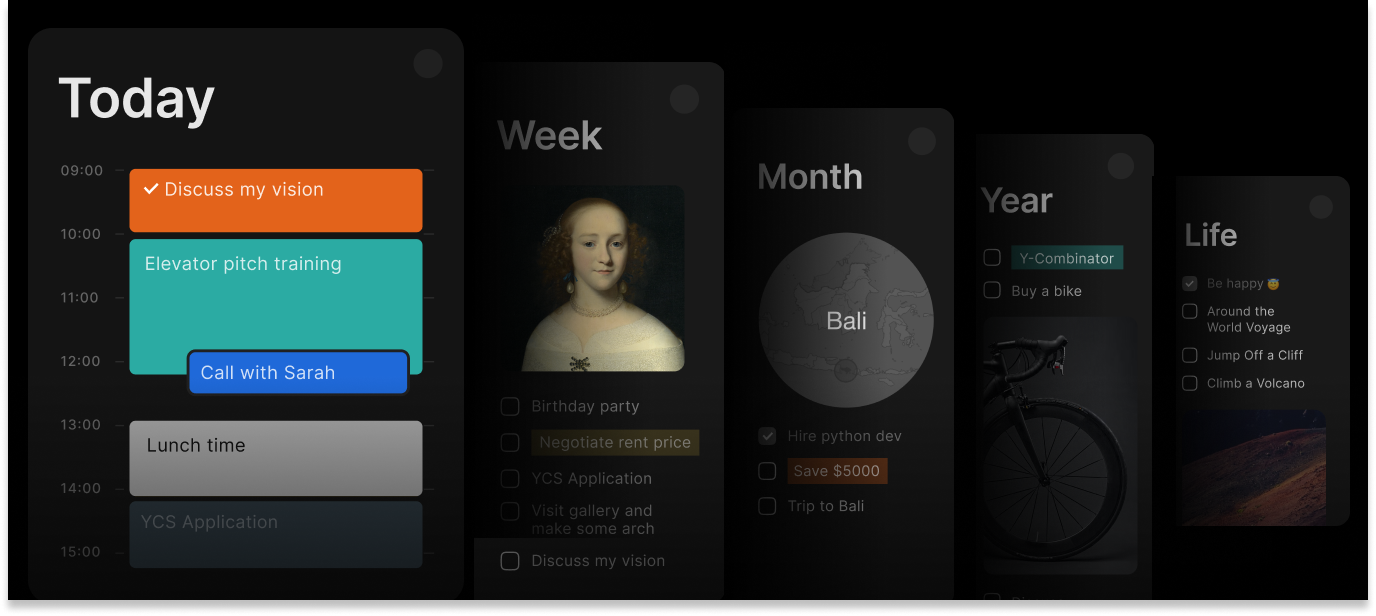
Think of platforms like Timestripe, which helps you organize your goals and time, turning digital interaction into productive planning. Or those YouTube videos on your topic that you’ve already saved—now is the time to watch them, learn, and grow.
- Active Supplements: A meditation app, a language learning program (e.g., Busuu), an audiobook, or a platform like Timestripe.
- Passive Noise: Mindlessly watching suggested videos, scrolling feeds, or doom-scrolling news.
The Colors of Reality: Reawakening the Senses
The high saturation and speed of our screens with perfectly curated feeds can actually dull our perception of the real world’s color, texture, and surprise. If your dopamine pathways are constantly being slammed by digital fireworks, the gentle rewards of actual life—the smell of rain, the warmth of a soup, or a perfectly funny cloud—can become invisible. The most profound effect of the Digital Diet is remembering that actual life is inherently playful, vibrant, and filled with unplanned discovery. We’ve become so used to digital slop that we’ve forgotten the joy of analog serendipity.
Embracing Analog Playfulness
To re-engage with the world and bring back the sense of fun you might have lost to the endless feed, try setting playful, low-stakes intentions for your time offline:
- The Funny Rock Mission: If the idea of an evening walk seems dull, give yourself a silly quest. “I will not return until I find one funny-looking rock, a leaf shaped like a star, or a dog wearing a ridiculous sweater.” The last one is actually an easy hit these days!
- The Culinary Scavenger Hunt: Instead of ordering takeout, open your pantry and challenge yourself to make the most ridiculous, delicious meal possible using only ingredients you already have.
- The “Human” Observation: Next time you’re sitting in a public space (a café, a park bench), put your phone away and give yourself five minutes to simply observe the world. Create a quick story about the person walking by, or try to count all the different patterns you can see.
The Action Plan: Three Pillars of Intentionality
So, digital detox how to start without harming your work and social life? We’ll use the principle of creating friction to make mindless use harder and purposeful use easier.
Here are a few gentle digital detox examples, organized by three simple pillars:
Pillar 1: Time Intentionality (The “When”)
Focus on when you use your device.

Pillar 2: Tool Intentionality (The “How”)
Focus on managing the device itself.
Pillar 3: Content Intentionality (The “What”)
Focus on the purpose of your consumption.
This mindful Digital Diet declutters your brain, directs focus to the research you’ve already found interesting, and liberates mental resources for setting powerful goals in the new year. These intentional skills are perfectly supported by tools like Timestripe.
Read next
Digital Diet for Focus: How to Reset Your Brain & Productivity
Start your trial of Timestripe today. Your future, more focused and less stressed self, will thank you for committing to intentional time allocation.
Get Started