
Mastering Capacity Planning: How to Scale Your Team Without Burnout

What is Capacity Planning?
Capacity planning is the art of matching your team’s real-world bandwidth with the work they need to deliver. When projects pile up and deadlines slip, it’s a clear sign that demand has outpaced your available resources. By implementing a structured planning process, you can prevent both burnout and underutilization. Read on to discover the capacity planning techniques and tools that turn resource management into a competitive advantage.
What is Capacity Planning and Why Does It Matter?
Here’s the thing about team capacity: everyone thinks they know how much work their team can handle. Then reality hits, and suddenly you’re explaining to stakeholders why that “simple” project is running three weeks behind schedule.
Capacity planning is the practice of figuring out how much work your team can realistically accomplish in a given timeframe, then using that knowledge to make smarter decisions about what to take on and when. It’s not rocket science, but it does require honesty about limitations and constraints.
The purpose of capacity planning extends beyond preventing overcommitment; it fosters a culture of consistent, high-quality output. It replaces reactionary “firefighting” with a structured rhythm, ensuring deadlines remain predictable. Ultimately, this foresight creates the necessary space for teams to focus on strategy rather than just immediate survival.
Different methodologies approach capacity planning differently. Agile teams typically plan capacity sprint by sprint, adjusting based on velocity and team availability. Waterfall projects need longer-term capacity planning to ensure resources are available throughout extended project phases. Hybrid approaches blend both, planning strategically while maintaining flexibility for adjustments.
The common thread across all methodologies is the need to match demand with supply. You need to know what’s coming, what you have available to handle it, and how to bridge any gaps between the two.
Types of Capacity Planning
Not all capacity planning works at the same scale or serves the same purpose. Understanding these distinctions helps you choose the right approach for different situations:
Most organizations need all three types working together. Strategic planning sets the direction, tactical planning bridges strategy to execution, and operational planning handles day-to-day realities. The challenge is keeping these levels aligned so daily decisions support quarterly goals, which in turn advance long-term strategy.
Benefits of Capacity Planning
Capacity planning isn’t just another administrative task to add to your plate. When done properly, the benefits of capacity planning transform how teams operate:
- Better Resource Distribution: Instead of some team members drowning while others have slack time, work gets distributed based on actual capacity. This creates both efficiency gains and improved team morale since nobody feels consistently overloaded or underutilized.
- Preventing Team Burnout: Chronic overcommitment is one of the fastest routes to burnout. When you can see that your team is already at capacity, you can push back on new requests or negotiate timelines before people start working unsustainable hours.
- Increased Workload Visibility: Capacity planning makes invisible work visible. All those “quick tasks” and “small favors” that eat up time suddenly appear in the equation, giving you accurate data about where time actually goes.
- More Predictable Delivery: When you understand your actual capacity and plan accordingly, you stop making promises you can’t keep. Deadlines become more reliable because they’re based on reality rather than optimism.
- Informed Hiring Decisions: Instead of panic-hiring when things get overwhelming or letting headcount drift upward, capacity planning shows you exactly when additional resources make sense and what skills you need.
- Higher Team Efficiency: Teams working within their capacity produce better quality work faster than teams constantly operating at 110%. The efficiency gains from sustainable pacing often outweigh the apparent productivity of always pushing maximum effort.
These benefits compound over time. Teams that consistently practice capacity planning become more efficient at it, and the positive effects on delivery and morale create a virtuous cycle.
Implementing Capacity Planning: The Process
Understanding how to do capacity planning requires breaking it down into manageable steps. The capacity planning process follows a logical flow:
- Assess Available Resources
- Analyze Current and Planned Workload
- Identify Gaps and Overloads
- Balance and Redistribute Tasks
- Monitor and Adjust
These steps are not always linear. You may need to revisit earlier steps as you gain more information. But following this process helps ensure that your capacity planning is both thorough and practical.
Step 1: Assess Available Resources
Start with an honest accounting of what you actually have. Count your team members, but don’t just multiply by 40 hours per week and call it done. Account for meetings, email, administrative tasks, support work, vacation, sick days, and training. Most knowledge workers have 25-30 hours of actual project time per week, not 40.
Also consider skills and specializations. Five developers aren’t interchangeable if two specialize in frontend work and three in backend. Your capacity for frontend work is limited by those two specialists, regardless of what the others could theoretically handle.
Step 2: Analyze Current and Planned Workload
Look at what’s already committed and what’s on the horizon. This includes not just projects but maintenance work, support requests, technical debt, and all those “other duties as assigned” that eat up time.
Be realistic about the work that’s actually coming, not just the work you wish would go away. That legacy system still needs maintenance. Support tickets still need answers. Meetings still need to happen.
Step 3: Identify Gaps and Overloads
Compare your available capacity against your workload. The math here is straightforward, even if the implications aren’t always comfortable. If you have 100 hours of capacity per week and 150 hours of committed work, something has to give.
This is where capacity planning proves its value. Instead of discovering the gap when deadlines start slipping, you see it coming and can make informed decisions about how to handle it.
Step 4: Balance and Redistribute Tasks
With the gaps identified, you have several options: extend timelines, reduce scope, add resources (temporarily or permanently), deprioritize some work, or find ways to work more efficiently. None of these options are always ideal, but choosing deliberately is better than letting things fail randomly.
Redistribution also means looking at workload balance across the team. Can you shift work from overloaded team members to those with capacity? Are there opportunities to pair less experienced team members with senior ones to build capacity over time?
Step 5: Monitor and Adjust
Capacity planning isn’t a one-time exercise. Actual progress will differ from plans, priorities will shift, and new information will emerge. Regular check-ins let you course-correct before small deviations become major problems.
Track what’s being completed versus what was planned. When reality diverges from the plan, figure out why. Were estimates off? Did unexpected work emerge? Did someone get sick? Understanding the gaps helps you plan better next time.
Capacity Planning Methods and Techniques
Different approaches work for different teams and situations. Understanding various capacity planning methods and capacity planning techniques helps you choose what fits your context:
- Resource-Based Planning: starts with your team’s actual capacity and plans work accordingly. This conservative approach prevents overcommitment but can feel limiting when opportunities arise. It works well for stable teams with predictable demand.
- Demand-Based Planning: starts with business needs and figures out capacity to match. This approach maximizes responsiveness to opportunities but risks overextension. It works when you have flexibility to scale resources up or down relatively easily.
- Hybrid Approaches: blend both methods, setting a baseline capacity while maintaining some flexibility for surge capacity during critical periods. Most successful teams land somewhere in this middle ground, planning conservatively while keeping options for short-term intensity when needed.
- Velocity-Based Planning: works well for Agile teams. Track how much work the team completes each sprint, then use that historical velocity to predict future capacity. Story points estimation helps size work relative to past efforts, making planning more accurate over time.
- Time-Based Allocation: works better for teams doing varied work that doesn’t fit neat story points. Estimate tasks in hours or days, track actual time taken, and refine estimates based on what you learn. This technique requires more granular tracking but works across project types.
Different capacity planning strategies suit different team types. Development teams often benefit from velocity-based planning with story points. Creative teams might need time-based approaches with explicit allocation for brainstorming and iteration. Support teams need strategies that account for unpredictable ticket volumes and variable complexity.
Best Tools for Capacity Planning
The right capacity planning tools make the process significantly easier. While spreadsheets technically work, they quickly become unwieldy as team size or project complexity grows.
Modern capacity planning tools provide visibility into team availability, show workload distribution across people and projects, track planned versus actual progress, and help identify conflicts or overallocations before they become problems.
Timestripe for Capacity Planning offers several advantages for teams serious about sustainable workload management:
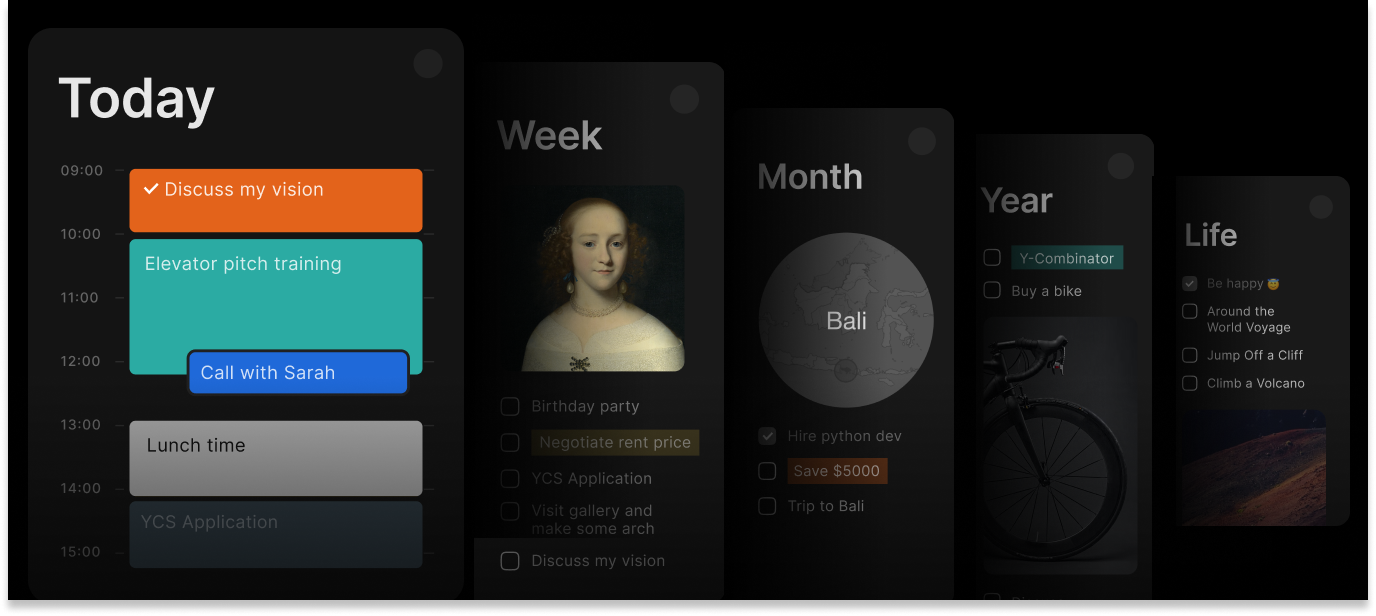
- Distribution Across Time Horizons: lets you plan at different scales simultaneously. See the daily view for immediate priorities, weekly view for sprint planning, monthly view for project milestones, and quarterly view for strategic resource planning. This multi-level visibility helps ensure short-term decisions align with longer-term capacity constraints.
- Sprint Planning Integration: connects capacity planning with actual sprint execution. When planning a sprint, you can see each team member’s availability and current commitments, making it easier to create realistic sprint goals.
- Capacity vs. Demand Tracking: shows not just current workload but projected future demand. This visibility helps you spot capacity crunches before they arrive and make proactive decisions about how to handle them.
The goal of these tools is removing friction from the planning process so teams spend less time in spreadsheets and more time doing actual work.
Common Mistakes and How to Avoid Them
Even well-intentioned capacity planning efforts can stumble. Watch out for these traps:
Overestimating Available Capacity: The mistake is assuming people have 40 hours weekly for project work. The reality is meetings, email, administrative tasks, context switching, and unexpected issues consume significant time. Most knowledge workers have 25-30 hours of actual project capacity.
The fix is tracking time honestly for a few weeks to understand actual availability. Use that realistic number for planning, not the theoretical maximum. Yes, this means you can commit to less work, but you’ll actually deliver what you commit to.
Ignoring Non-Project Tasks: The mistake is planning as if project work is the only work. But maintenance, support, meetings, professional development, and administrative tasks all consume capacity.
The fix is explicitly accounting for these activities Allocate percentage of capacity to ongoing responsibilities before committing the remainder to projects. If support typically takes 20% of your team’s time, plan for that upfront.
No Buffer for Unexpected Work: The mistake is planning to 100% capacity with no slack for the unexpected. Then when something urgent emerges (and it always does), everything else gets derailed.
The fix is building buffers into plans Keep 10-20% capacity unallocated for unexpected work, urgent fixes, or opportunities that arise. This buffer prevents constant replanning and reduces stress when surprises occur.
Insufficient Communication: The mistake is planning in isolation, then presenting the team with completed capacity plans they had no input on. This creates resistance and misses valuable knowledge that team members have about their own capacity and constraints.
The fix is involving the team in capacity planning They know better than anyone what they can realistically handle, what hidden time sinks exist, and where estimates might be off. Collaborative planning produces more accurate plans and better buy-in.
Forgetting About Leave and Holidays: The mistake is planning as if everyone will be available all the time. Then someone takes vacation or gets sick, and suddenly you’re scrambling to cover their work.
The fix is checking calendars during planning and accounting for known absences Reduce available capacity for periods when people will be out, and avoid scheduling critical milestones when key team members are away. Build redundancy so one person’s absence doesn’t halt everything.
Conclusion
Effective capacity planning transforms how teams work. Instead of constantly operating in reactive mode, teams can proactively manage their commitments and maintain sustainable pacing.
The shift from chaos to control doesn’t happen overnight. It requires commitment to honest assessment of actual capacity, disciplined tracking of commitments, and willingness to have difficult conversations about what’s realistic. But teams that make this investment consistently deliver more reliably while maintaining better work-life balance.
The beauty of capacity planning is that it gets easier with practice. As teams develop better intuition about their actual capacity and refine their estimation skills, planning becomes faster and more accurate. The benefits compound as predictable delivery builds trust with stakeholders, which in turn makes it easier to push back on unrealistic demands.
At Timestripe, we don’t believe that the purpose of productivity is to work harder or 'hustle' for longer. At its core, capacity planning is about treating your team as the finite resource it is. You wouldn’t expect a manufacturing line to produce more units than it’s physically capable of, yet knowledge work teams face that pressure constantly. Capacity planning brings the same rigor to knowledge work that manufacturing has long applied tophysical production.
Read next



Ready to take control of your schedule?
Start your trial of Timestripe today. Your future, more focused and less stressed self, will thank you for committing to intentional time allocation.
Get Started